Water Extraction in Bellflower, CA
Standing water spreads under baseboards and into carpet pad within hours. The extraction crew pulls it out with truck-mounted suction first, so the drying that follows starts on a floor that is wet, not flooded.
(888) 563-9619Water on the floor? Get it pulled out now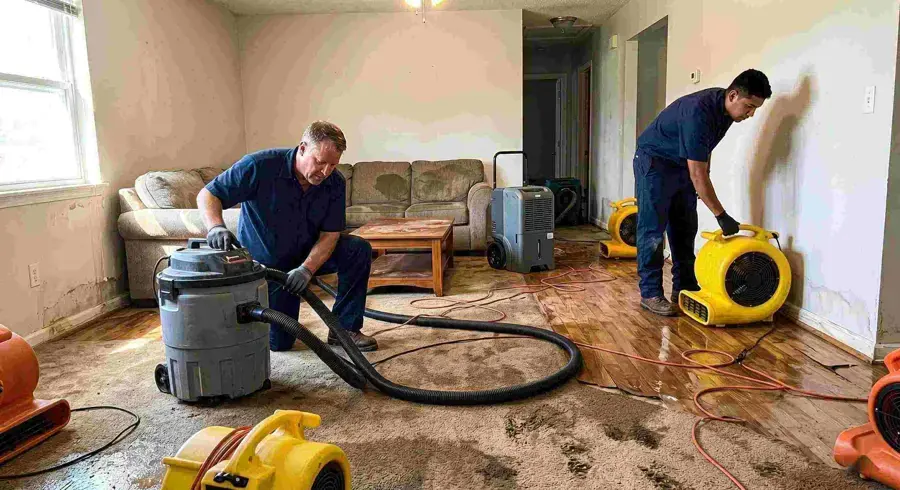
What to do while water is still standing
- 1
Stop the source
Close the main shutoff, often at the front hose bib or the meter box by the sidewalk.
- 2
Cut wet circuits
Switch off breakers for wet rooms, only while standing on a dry floor at a dry panel.
- 3
Lift and move
Get rugs, cords and furniture legs off the wet floor, and put foil under anything that stays.
- 4
Photograph it
Shoot every wet room and the water line before anything is moved or thrown out.
- Water category
- Usually Category 1 from a supply line; Category 2 or 3 if it came from a drain or outside
- Typical class
- Class 2 or 3 once water reaches carpet pad and wall bottoms
- Equipment
- Truck-mounted extraction, weighted extraction tools, air movers, LGR dehumidifiers
- Drying goal
- Materials within 2 to 4 points of a dry reference in the same building
How water extraction is handled by the Bellflower restoration crew
Extraction is the cheapest drying there is: every gallon pulled out as liquid is a gallon the dehumidifiers never have to pull out of the air.
Rapid local response
The response team works 24/7 and gets extraction moving across Bellflower, nights, weekends and storm days included.
IICRC S500 drying standard
The drying team works to the industry drying standard and pulls equipment only when readings say dry, not when a surface looks dry.
Claim-ready documentation
Moisture maps, daily readings and timestamped photos go into a drying log that the adjuster, the landlord and the owner can all read.
Bellflower water experts
Post-war slabs, garden apartments and clay sewer laterals are everyday work, so the crew checks the slab and the unit next door, not just the wet room.
What does water extraction cost in Bellflower, CA?
In Bellflower, CA, water extraction and the drying that follows typically run $450 to $4,500. One wet room of clean water sits at the low end; several rooms, soaked pad or dirty water sit at the high end.
The drivers are the water category, the square footage, the material class and how fast drying started. For a planning range, try the water damage cost calculator.
- $450 to $1,200
One room, clean water
Truck-mount pass · Pad checked · Two to three days of drying
- $1,200 to $2,800
Several rooms or soaked pad
Weighted extraction · Pad removed · Daily readings
- $2,800 to $4,500+
Whole floor or dirty water
Category 2 or 3 · Carpet out · Antimicrobial
The water extraction process in Bellflower
- Step 1
Moisture map
The tech who does the walkthrough traces how far the water went with pinless meters and thermal imaging.
- Step 2
Truck-mount extraction
The extraction crew runs hoses from the truck and pulls standing water out of the building.
- Step 3
Pad and carpet decision
Soaked pad usually comes out; carpet is floated and dried in place when the category allows it.
- Step 4
Set the drying
Air movers and LGR dehumidifiers go in, and readings are logged daily until the goal is met.
Water extraction in Bellflower is the first move on almost every water loss, from a failed washing machine hose in a garage laundry to storm water that crossed a threshold on a flat lot south of the 91. The faster the standing water leaves, the less there is to dry and the more carpet, pad and drywall can stay.
Why truck-mounted extraction beats a shop vac
A shop vac moves a few gallons at a time and leaves the pad saturated. Truck-mounted extraction pulls water through a heated, high-lift vacuum that sits outside the house, so the water leaves the building instead of sloshing into the next room. On carpet, the extraction crew follows the first pass with a weighted tool that the tech stands on, pressing water out of the pad.
- Standing water on tile, vinyl plank and sealed concrete comes up fastest.
- Carpet over pad holds far more water than it looks like it holds.
- Water that sat on slab can wick into the bottom inches of drywall and baseboard.
What happens after the water is out
Extraction ends one job and starts the next. The drying team sets air movers along wet walls and runs LGR dehumidifiers to pull that moisture back out of the air. Readings go into a drying log every day. The U.S. EPA notes that indoor air quality suffers when building materials stay damp, which is why the equipment stays until the readings say dry.
If the water came from outside during a storm, it is treated as Category 3 and handled with more care. Ready.gov flood safety covers staying out of water near outlets and appliances until power is off.
Where water extraction is handled around Bellflower
The Bellflower restoration crew works ZIP codes 90706 and 90707, from Downtown Bellflower and the Artesia Boulevard corridor to the streets by the 605, plus Downey, Paramount, Lakewood and Norwalk next door.
See every area coveredRelated water damage services in Bellflower
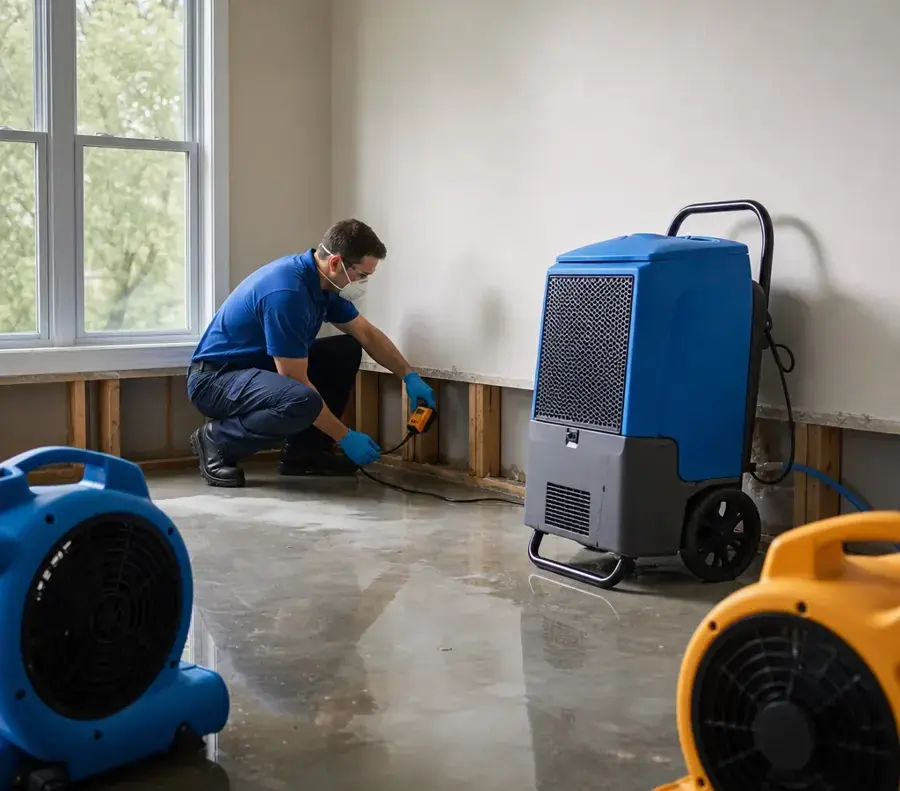 Structural DryingAir movers and LGR dehumidifiers run until readings meet the drying goal.View service
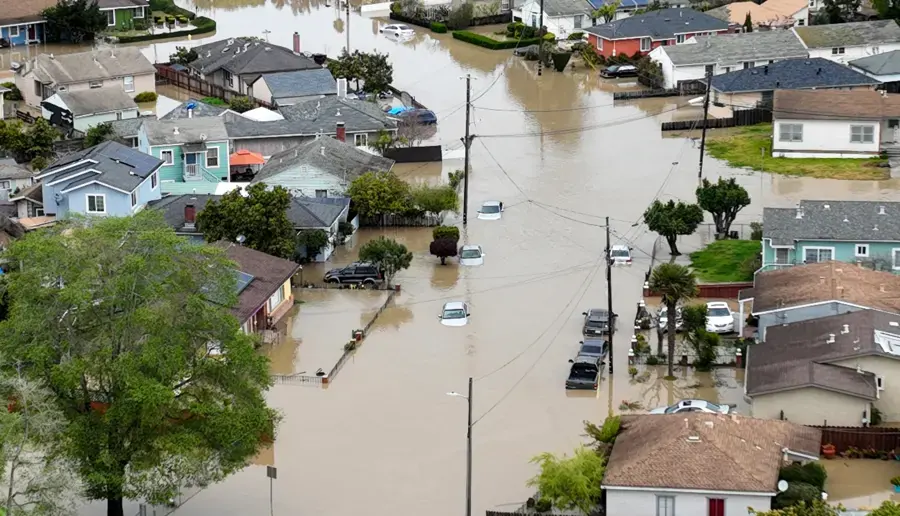 Storm Flood CleanupWinter storm water on flat lots and low driveways, pumped out, cleaned and dried.View service
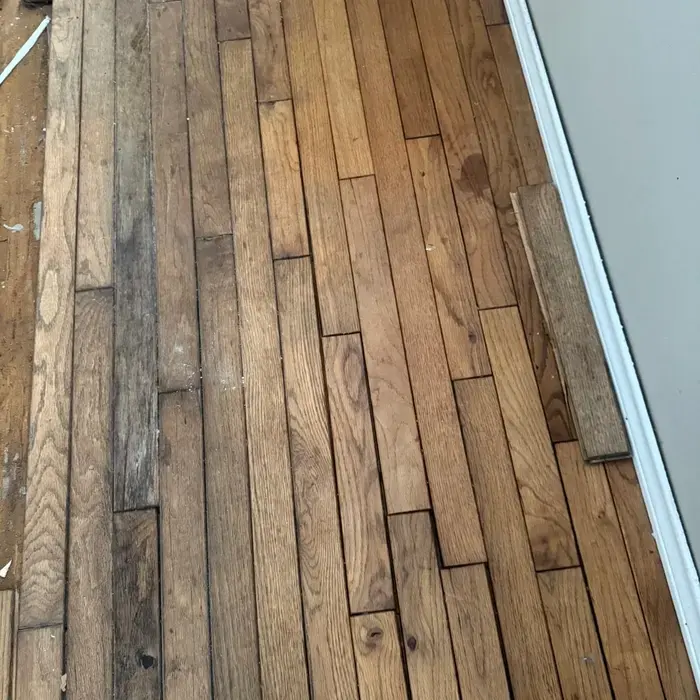 Hardwood Floor Water DamageCupped and lifting planks dried with floor mats before anything is torn out.View service
Water extraction questions in Bellflower
Water in the house right now? Skip the reading and call (888) 563-9619.
How fast should standing water be extracted?
As soon as the source is stopped. Water keeps moving into pad, baseboards and drywall for as long as it sits, and mold can start inside 24 to 48 hours in materials that stay wet.
Can wet carpet be saved after extraction?
Often, when the water was clean and extraction started early. The pad under it usually comes out because it holds water like a sponge. Carpet touched by sewage or outside flood water is removed.
Is a wet vac enough for a small leak?
For a few cups on tile, yes. For water that reached carpet, pad or wall bottoms, a wet vac leaves most of the water behind, and a moisture meter is the only way to know how far it went.
How long does drying take after extraction?
A contained Class 1 or 2 loss usually dries in three to five days. Slab, hardwood and plaster take longer, and equipment comes out when readings meet the drying goal.
Does homeowners insurance cover water extraction?
Sudden and accidental water, like a burst supply line, is commonly covered, while outside flood water falls under flood coverage. Coverage depends on your policy, so it is worth checking with your own insurer.
Why is the water category important?
Category 1, 2 and 3 water are handled differently. Clean water allows more drying in place; dirty water means removing porous materials and treating surfaces before drying.
Standing water in Bellflower? Call now.
The extraction crew pulls the water, the drying team runs the equipment to the IICRC S500 goal, and every reading goes into your claim file.