Apartment Water Damage in Bellflower, CA
In a two-story garden apartment on Bellflower Boulevard, one failed toilet supply can reach the ceiling below within minutes. The restoration team maps every affected unit, dries them together and keeps a separate reading log for each one.
(888) 563-9619Leak between units? Call for the building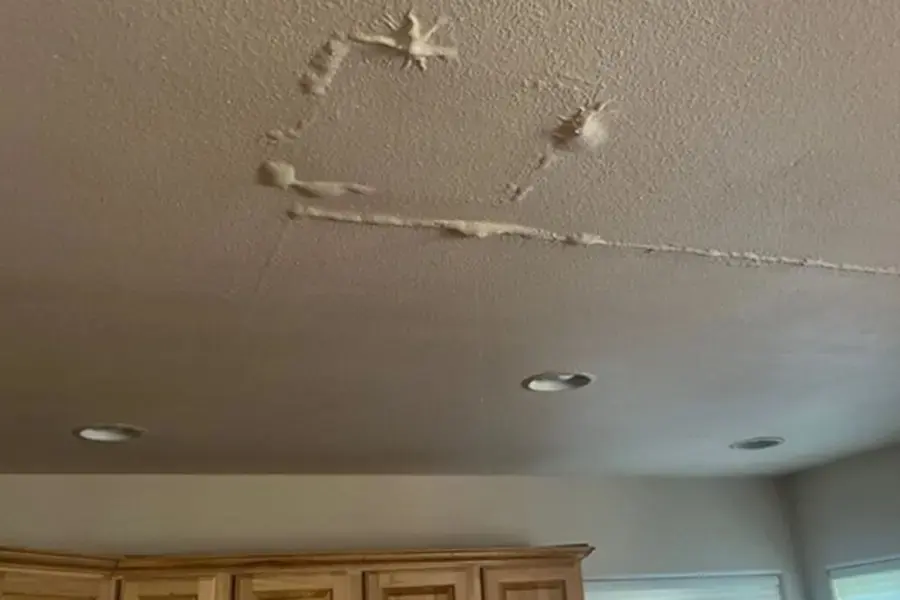
What to do when water crosses into another unit
- 1
Close the unit valve
Most units have shutoffs at the toilet, sinks and water heater; the building main is the fallback.
- 2
Warn the neighbors
Knock on the unit below and beside, and tell the manager or owner right away.
- 3
Protect the electrics
Keep away from ceiling lights and outlets near wet drywall until power is off.
- 4
Photograph both units
Shoot the source unit and every affected unit before anything is moved.
- Water category
- Category 1 from a supply line, Category 2 from a drain or washer, Category 3 from a toilet with waste
- Typical class
- Class 2 or 3, with ceilings, walls and floors all wet
- Equipment
- Thermal imaging, air movers, LGR dehumidifiers, containment where needed
- Documentation
- A separate moisture map and drying log for each unit
How apartment water damage is handled by the Bellflower restoration crew
Multifamily losses are about sequence and records: the source unit, the unit below, the shared wall and the common areas each get their own readings.
Rapid local response
The response team works 24/7 and gets extraction moving across Bellflower, nights, weekends and storm days included.
IICRC S500 drying standard
The drying team works to the industry drying standard and pulls equipment only when readings say dry, not when a surface looks dry.
Claim-ready documentation
Moisture maps, daily readings and timestamped photos go into a drying log that the adjuster, the landlord and the owner can all read.
Bellflower water experts
Post-war slabs, garden apartments and clay sewer laterals are everyday work, so the crew checks the slab and the unit next door, not just the wet room.
What does apartment water damage cost in Bellflower, CA?
In Bellflower, CA, apartment water damage restoration typically runs $900 to $9,000 or more. One unit with a contained leak sits at the low end; a leak that crossed floors or several units sits at the high end.
The drivers are the water category, the square footage, the material class and how fast drying started. For a planning range, try the water damage cost calculator.
- $900 to $2,500
One unit
Contained leak · Dried in place · One drying log
- $2,500 to $5,500
Source unit and unit below
Ceiling opened below · Wall bottoms · Two drying logs
- $5,500 to $9,000+
Several units or common areas
Stacked or shared walls · Hallways and stairs · Log per unit
The apartment water damage process in Bellflower
- Step 1
Walk every unit
The tech who does the walkthrough checks the source unit, the unit below and both sides with meters and thermal imaging.
- Step 2
Stop and extract
The extraction crew pulls standing water in each unit, starting where it is deepest.
- Step 3
Open and dry
Wet ceiling drywall and wall bottoms come out where readings demand it, and drying equipment runs in each unit.
- Step 4
Log unit by unit
Daily readings go into a separate log for each unit, which owners, tenants and insurers can all use.
Apartment water damage in Bellflower follows the way the city was built. Two-story garden apartments, courts and small complexes line Bellflower Boulevard, Artesia Boulevard and the streets around downtown, and a large share of households rent. When a supply line, water heater or tub drain fails upstairs, the water rarely stays in one unit.
How a leak moves through a building
- Down: through the subfloor into the ceiling of the unit below, often around light fixtures.
- Sideways: along a shared wall, wetting the bottom plate on both sides.
- Into common areas: stair landings, laundry rooms and hallways.
The restoration team maps each of those paths separately, because a ceiling that looks dry can still hold water above it.
Owners, tenants and the paperwork
A building owner's policy, a tenant's renters policy and sometimes an upstairs neighbor's policy each cover different parts of the same leak. A separate drying log for each unit lets every party see the same readings. The California Department of Insurance explains the difference between owner and renter coverage. Coverage depends on your policy, so it is worth checking with your own insurer.
For shared buildings, occupant safety comes first. OSHA flood cleanup guidance covers the electrical and contamination hazards that show up when water reaches wiring and drains.
Where apartment water damage is handled around Bellflower
The Bellflower restoration crew works ZIP codes 90706 and 90707, from Downtown Bellflower and the Artesia Boulevard corridor to the streets by the 605, plus Downey, Paramount, Lakewood and Norwalk next door.
See every area coveredRelated water damage services in Bellflower
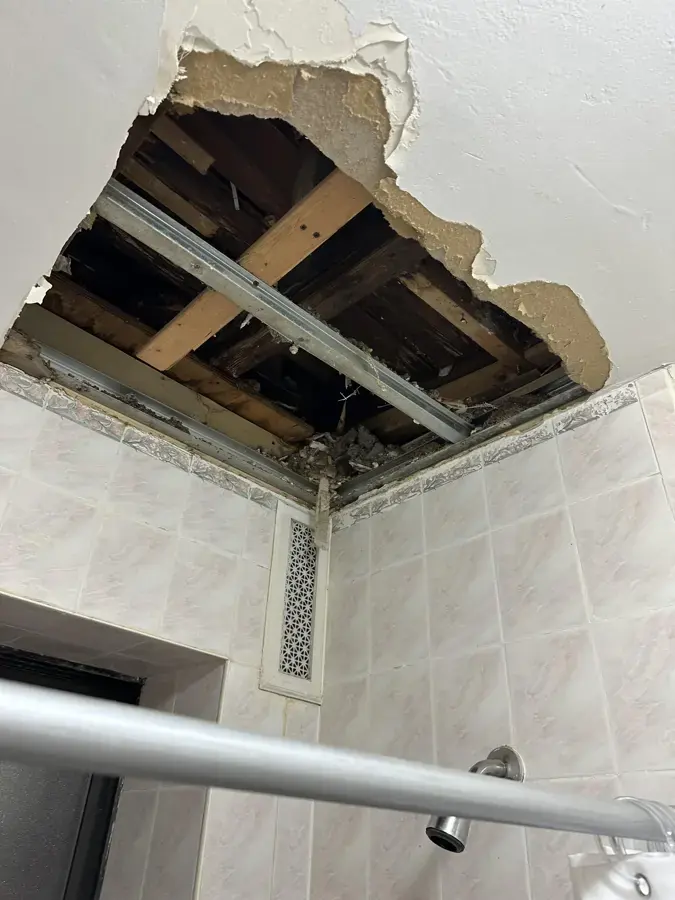 Ceiling Leak Water DamageA tub, toilet or supply line above lets go, and the ceiling below is opened and dried.View service
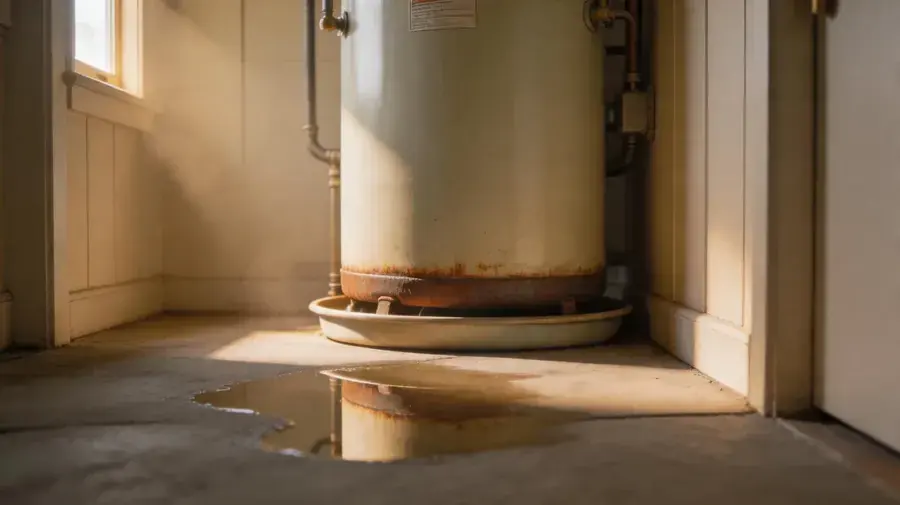 Water Heater Leak CleanupGarage and hall-closet tanks worn out by hard water, cleaned up and dried.View service
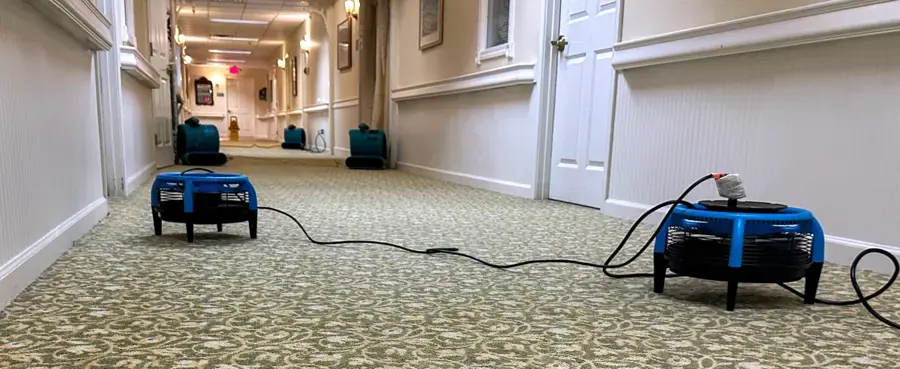 Commercial Water DamageStorefronts, offices and apartment common areas on the boulevards, dried around business hours.View service
Apartment water damage questions in Bellflower
Water in the house right now? Skip the reading and call (888) 563-9619.
Who pays when water comes from the apartment above?
It depends on the cause and the policies involved. The building owner's policy usually covers the structure, a renters policy covers a tenant's belongings, and the upstairs occupant's policy may apply if they caused it. A separate drying log for each unit helps every party.
Do both units need drying equipment?
Usually. The unit below often has a wet ceiling and wall bottoms even when its floor looks dry, so both get readings and equipment.
Can tenants stay during drying?
Often, when the loss is clean water and the wet rooms can be closed off. Sewage or heavy ceiling removal can mean moving out of the affected rooms for a few days.
Why does the ceiling below sag?
Drywall absorbs water and gets heavy. A sagging, bulging ceiling can come down, so the area underneath should be cleared and the drywall opened in a controlled way.
How long does an apartment leak take to dry?
A contained leak in one unit usually dries in three to five days. Leaks that crossed floors or soaked subfloors take longer, and each unit is released when its own readings meet the goal.
What should a property manager ask for?
A moisture map of every affected unit, daily readings for each, timestamped photos before any demolition and a line-item scope by unit.
Water between units in Bellflower? Call now.
The restoration team maps every affected unit, dries them together and keeps a separate reading log for each one.