Water Damage Restoration Bellflower, CA
24/7 water damage restoration in Bellflower, CA. The restoration team extracts standing water, dries the structure to the IICRC S500 standard and documents every step for your insurance claim.
(888) 563-9619Water past the baseboard? Call Bellflower now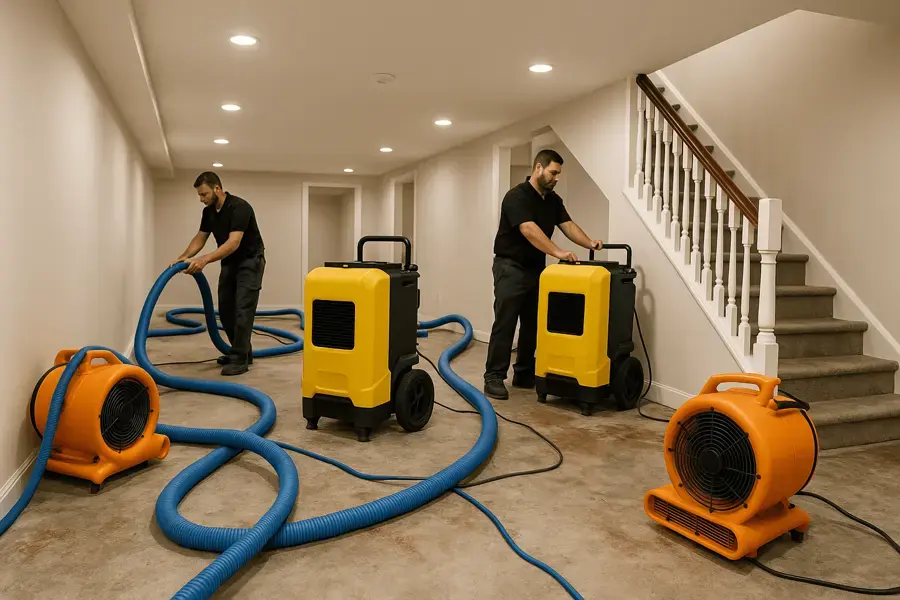
Water Damage Restoration Services in Bellflower, CA
Fourteen services built around how Bellflower homes, apartments and storefronts get wet.
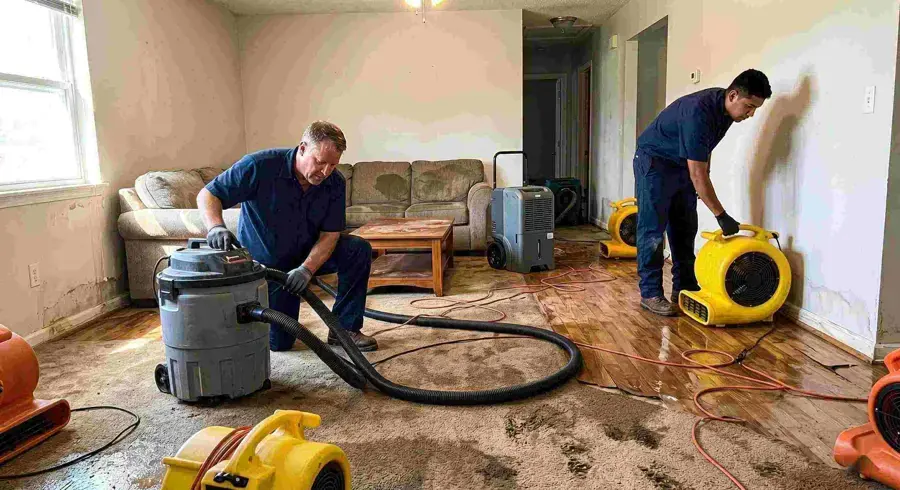 Water ExtractionTruck-mounted extraction pulls standing water before it wicks into pad, baseboard and drywall.View service
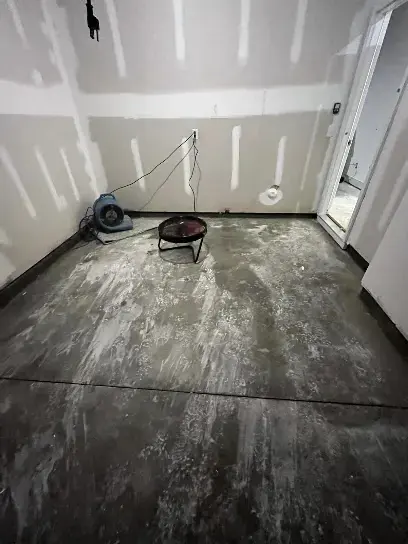 Slab Leak Water DamagePinholed copper under post-war slabs, found with thermal imaging and dried to a reading.View service
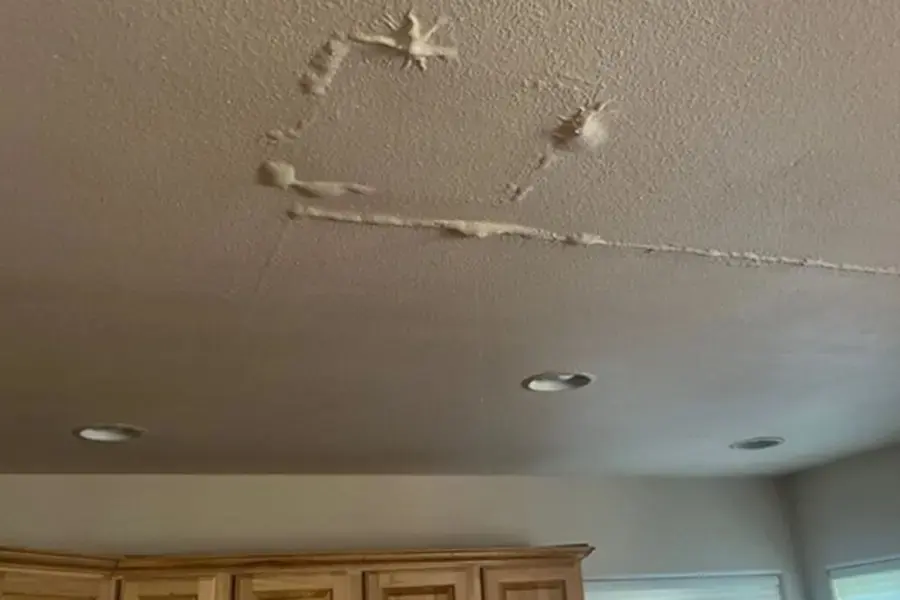 Apartment Water DamageGarden apartments and courts where one failed supply pipe wets the unit next door or below.View service
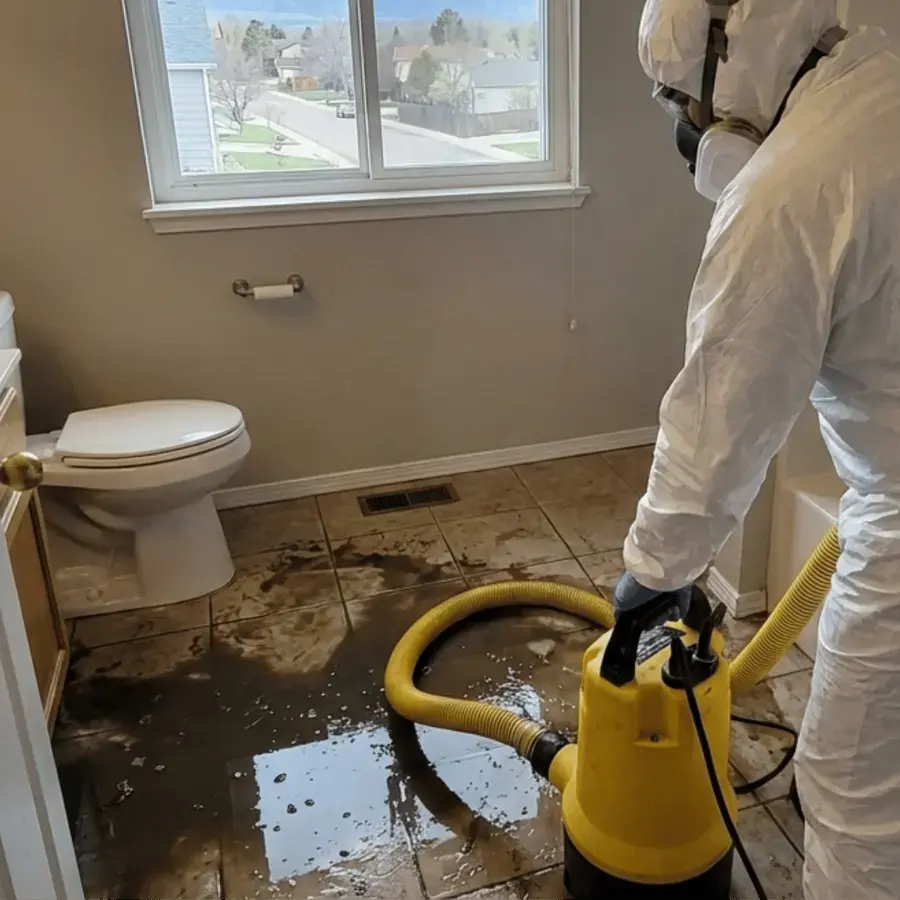 Sewage Backup CleanupCategory 3 backups from root-choked clay laterals, contained and removed before drying.View service
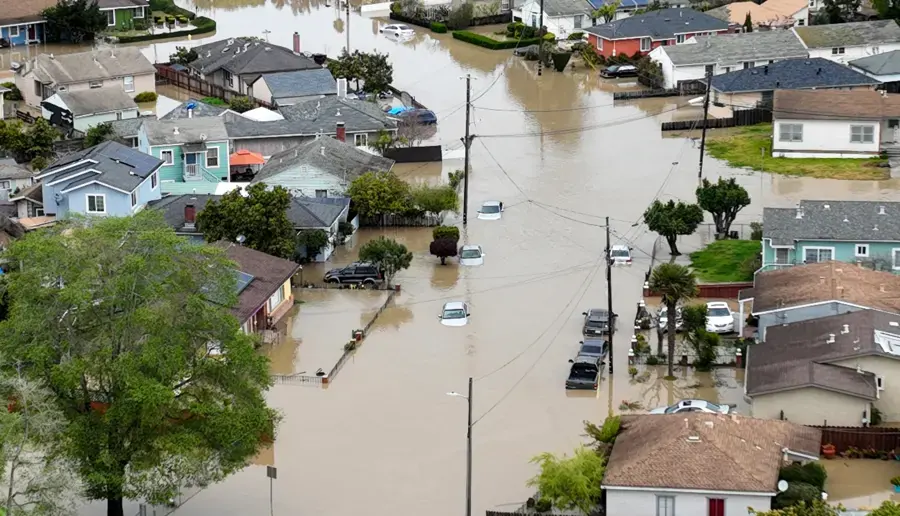 Storm Flood CleanupWinter storm water on flat lots and low driveways, pumped out, cleaned and dried.View service
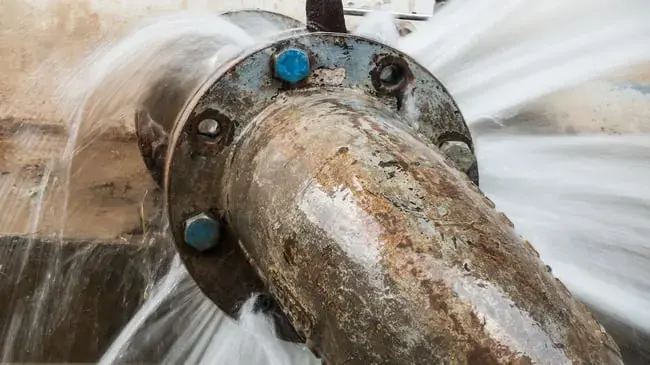 Burst Pipe CleanupSplit galvanized or copper supply lines, extracted and dried inside the wall cavity.View service
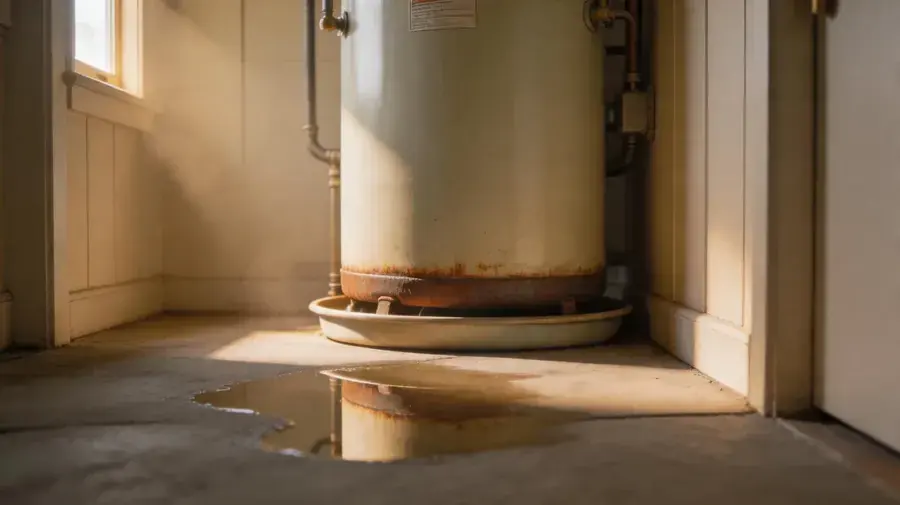 Water Heater Leak CleanupGarage and hall-closet tanks worn out by hard water, cleaned up and dried.View service
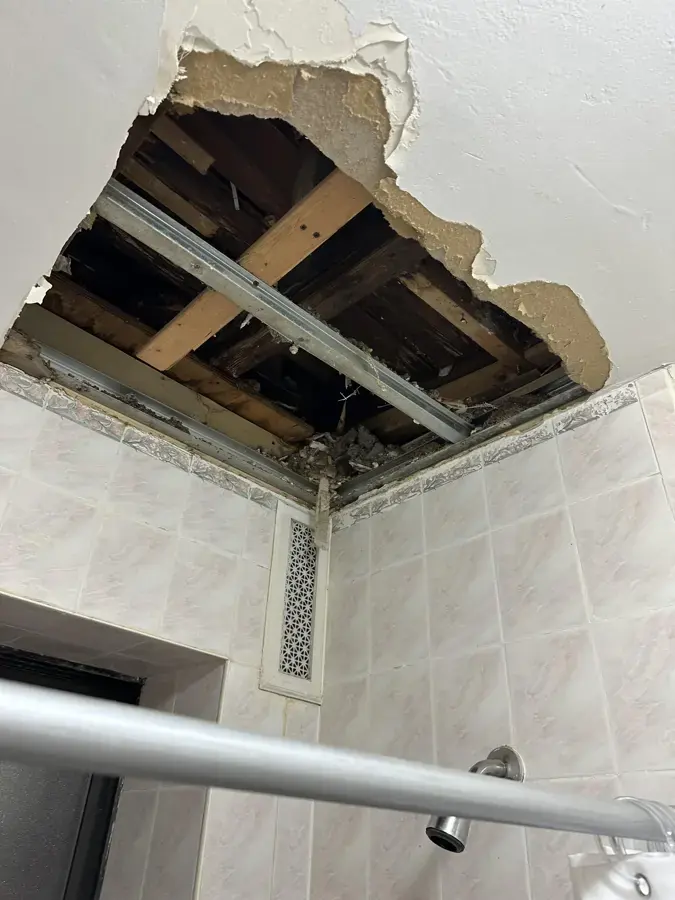 Ceiling Leak Water DamageA tub, toilet or supply line above lets go, and the ceiling below is opened and dried.View service
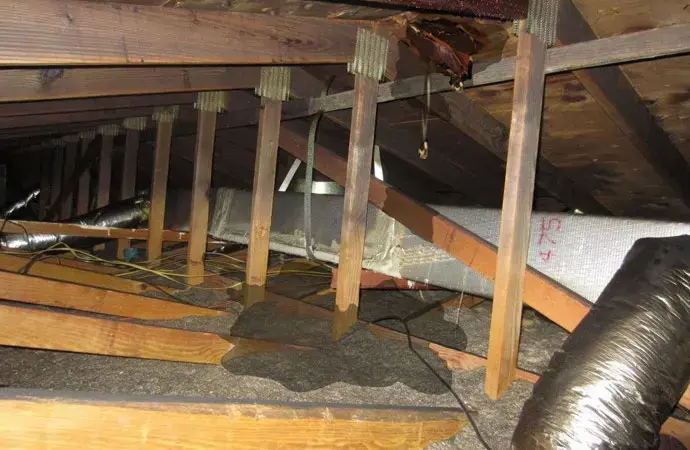 Roof Leak Water DamageFirst-storm leaks through low-slope roofs, dried from the attic down to the ceiling.View service
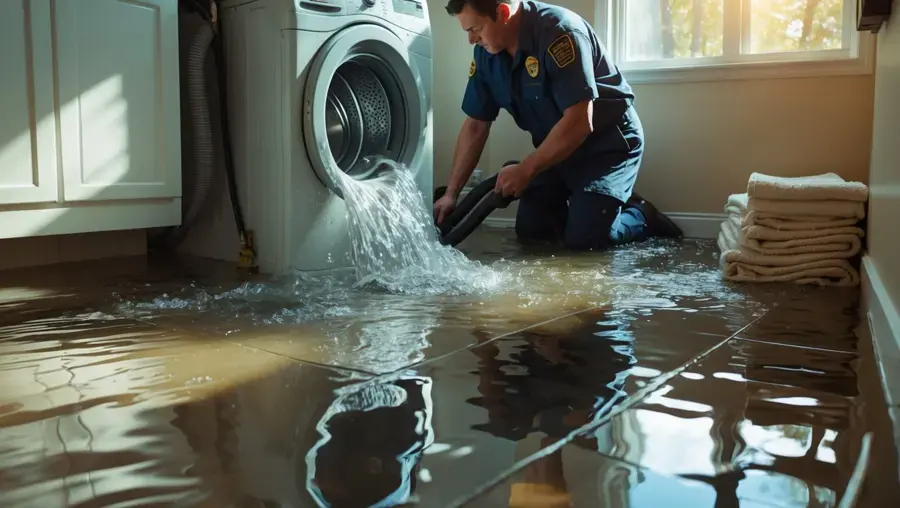 Washing Machine Leak CleanupBurst fill hoses and overflowing drains in garage and hallway laundry spaces.View service
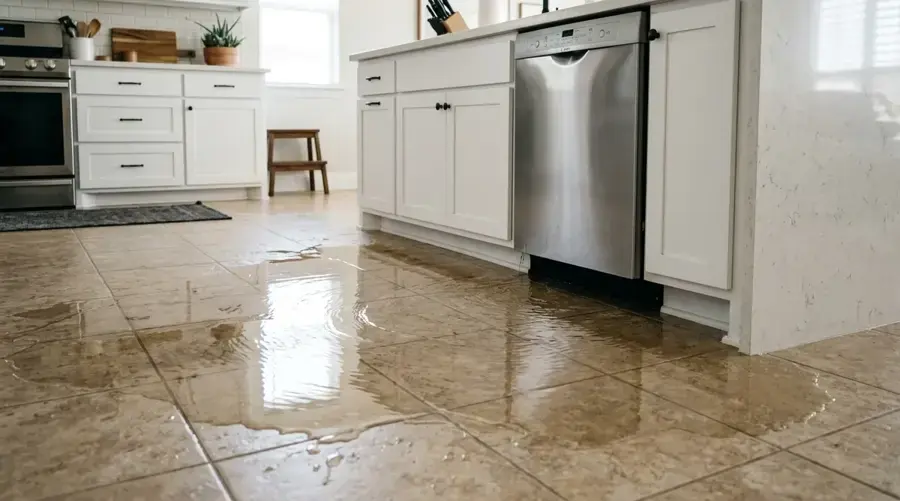 Kitchen Leak Water DamageDishwasher, sink supply and fridge line leaks that soak cabinets and toe-kicks.View service
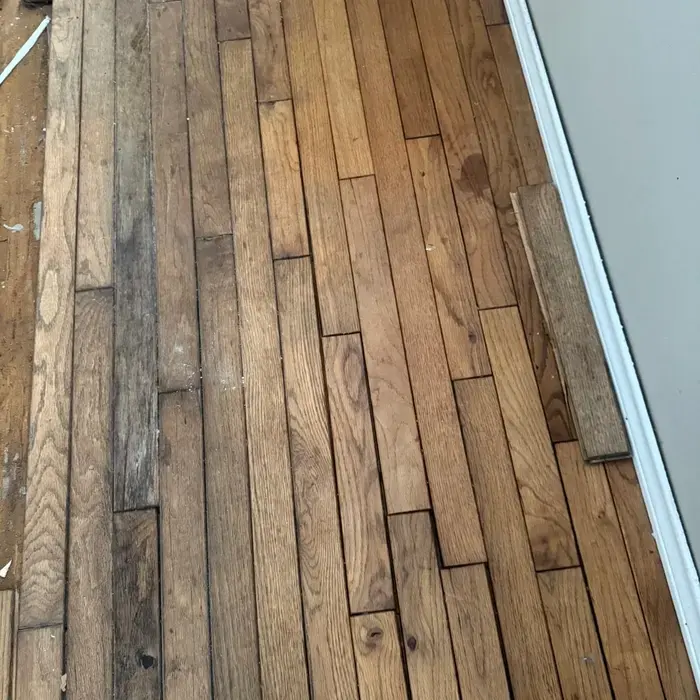 Hardwood Floor Water DamageCupped and lifting planks dried with floor mats before anything is torn out.View service
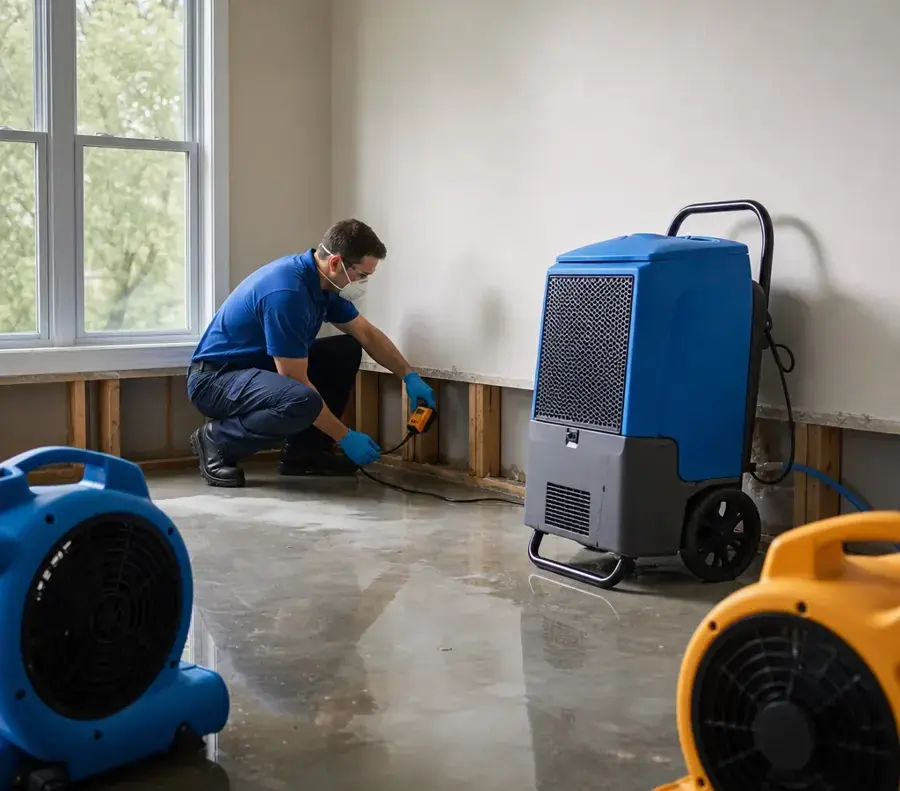 Structural DryingAir movers and LGR dehumidifiers run until readings meet the drying goal.View service
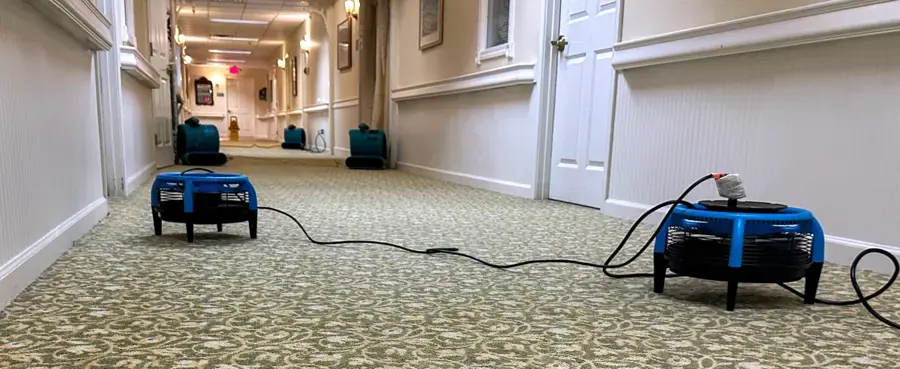 Commercial Water DamageStorefronts, offices and apartment common areas on the boulevards, dried around business hours.View service
Not sure what leaked?
Describe the water, and the restoration team sorts out which service it is.
(888) 563-9619Unsure of the source? Describe itPlan before you call
What to do while the water is still moving
Mold can start inside 24 to 48 hours, so the first hour decides how much has to come out later.
- Step 1
Shut off the water
Most Bellflower shutoffs sit at the front hose bib or in the meter box by the sidewalk; apartments often have valves at each fixture.
- Step 2
Kill the wet circuits
Switch off breakers for wet rooms, but only while standing on a dry floor at a dry panel.
- Step 3
Stay clear of live water
Keep out of standing water near outlets, cords or a running appliance.
- Step 4
Photograph before moving
Shoot every wet room and how high the water reached before anything moves.
- Step 5
Lift what you can
Get rugs, papers and electronics off the floor and put foil under furniture legs.
Then call (888) 563-9619 and say which rooms, and which floor, are wet.
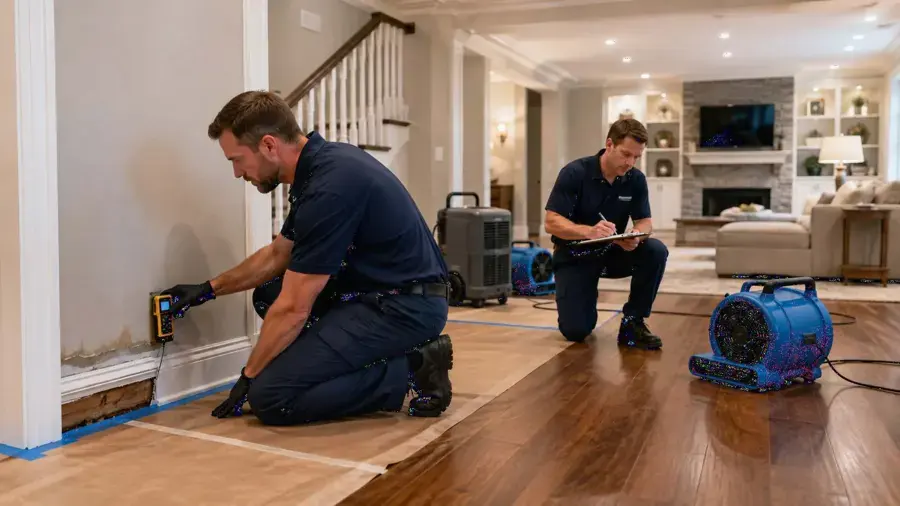
How the Bellflower restoration crew works a water loss
Rapid local response
The response team works 24/7 and gets extraction moving across Bellflower, nights, weekends and storm days included.
IICRC S500 drying standard
The drying team works to the industry drying standard and pulls equipment only when readings say dry, not when a surface looks dry.
Claim-ready documentation
Moisture maps, daily readings and timestamped photos go into a drying log that the adjuster, the landlord and the owner can all read.
Bellflower water experts
Post-war slabs, garden apartments and clay sewer laterals are everyday work, so the crew checks the slab and the unit next door, not just the wet room.
Water damage dried to the IICRC S500 standard
The drying team measures first, dries second and measures again, and the equipment stays until the readings say dry.
- 1
Map the moisture
The tech who does the walkthrough maps wet materials with pinless meters and thermal imaging before any equipment goes down.
- 2
Extract the water
The extraction crew pulls standing water with truck-mounted suction, so it leaves the building instead of moving to the next room.
- 3
Set the drying
Air movers and LGR dehumidifiers go in sized to each room, with desiccants for dense Class 4 materials like slab and hardwood.
- 4
Read and verify
The drying team takes readings daily and pulls equipment only when materials meet the S500 drying goal.
The gear a real dry-out runs on
- Truck-mounted extraction: sends the water out of the building
- Air movers: set to the evaporation load of each room
- LGR and desiccant dehumidifiers: pull moisture back out of the air
- Thermal imaging and pinless meters: find water behind walls and under floors
- HEPA air scrubbers and containment: on sewage and storm water losses
All water damage categories covered in Bellflower, CA
Category 1, 2 and 3 water are handled differently, and the category can change the longer water sits.
A split supply pipe, a water heater tank or a washer fill hose. The extraction crew removes it fast, and most materials dry in place.
Washer drain water, a dishwasher or a toilet overflow without waste, or clean water that sat for days. Soaked pad usually comes out; hard surfaces are cleaned.
A sewer lateral backup or storm water from the street. Porous materials it touched get removed, not dried.
Sewage backup cleanupWhat does water damage restoration cost in Bellflower, CA?
In Bellflower, CA, water damage restoration typically runs $600 to $10,000 or more. A clean-water leak caught early sits at the low end; a sewage backup, storm water or a leak that reached the unit below sits at the high end.
- $600 to $2,500
Contained, clean water
One or two rooms · Dried in place · Three to four days
- $2,500 to $6,000
Under floors or inside walls
Flooring or drywall out · Slab or cavity drying · Daily moisture logs
- $6,000 to $10,000+
Category 3 or several units
Sewage, storm water or stacked units · Containment · Porous materials removed
What moves the number: water category · square footage · material class · how fast drying started
For a planning number, try the water damage cost calculator or the drying time estimator.
What a water damage dry-out looks like in Bellflower
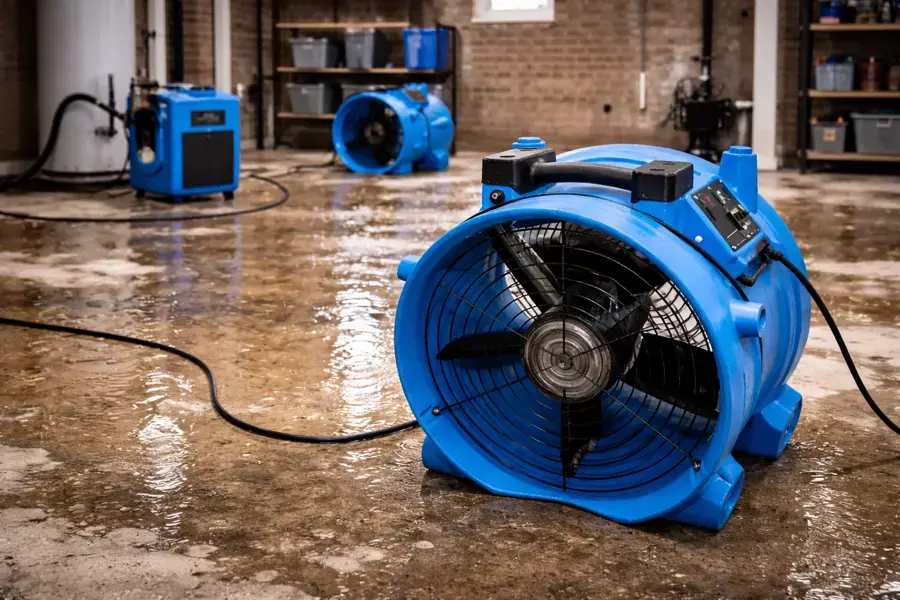
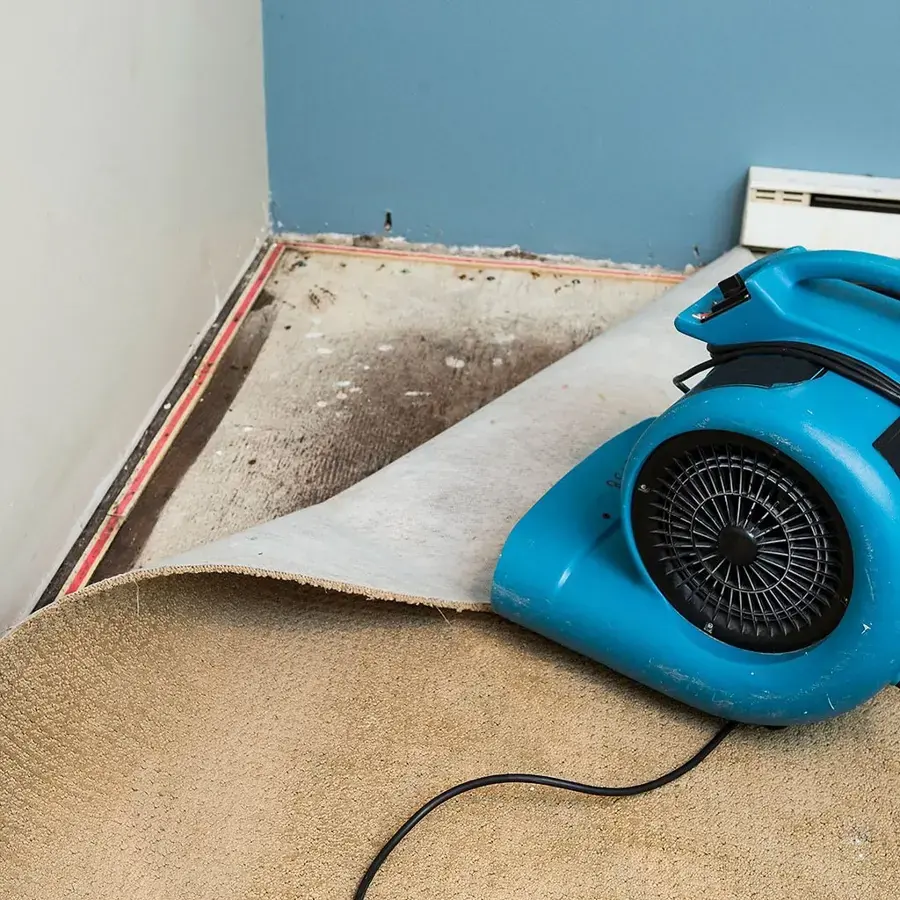
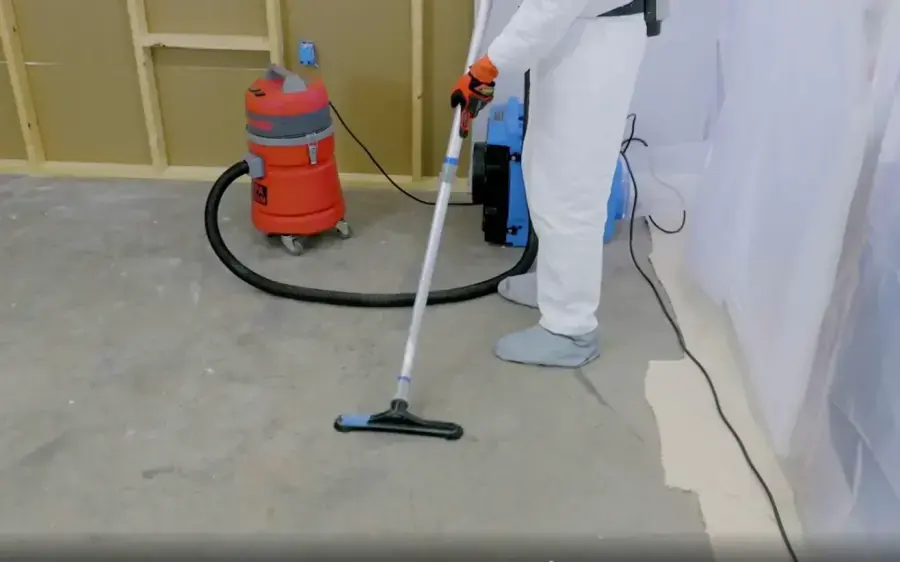
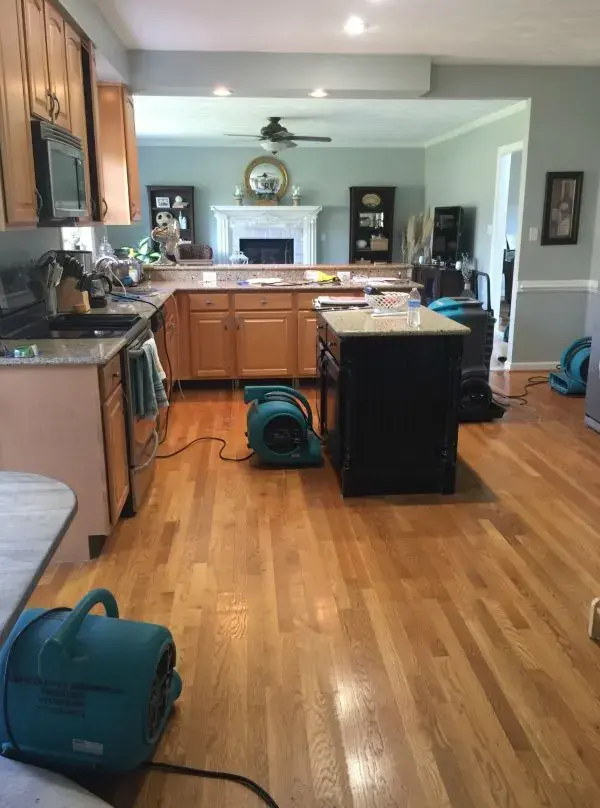
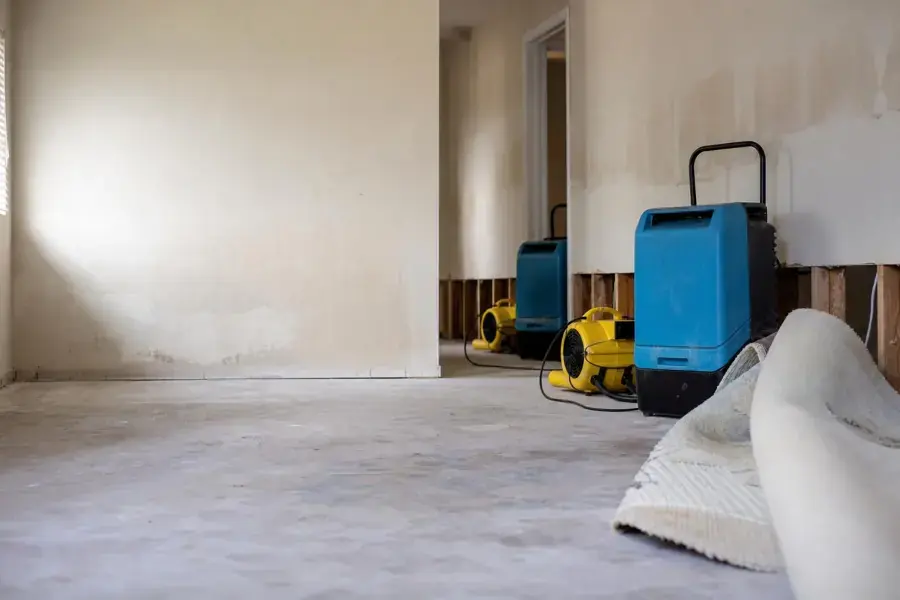
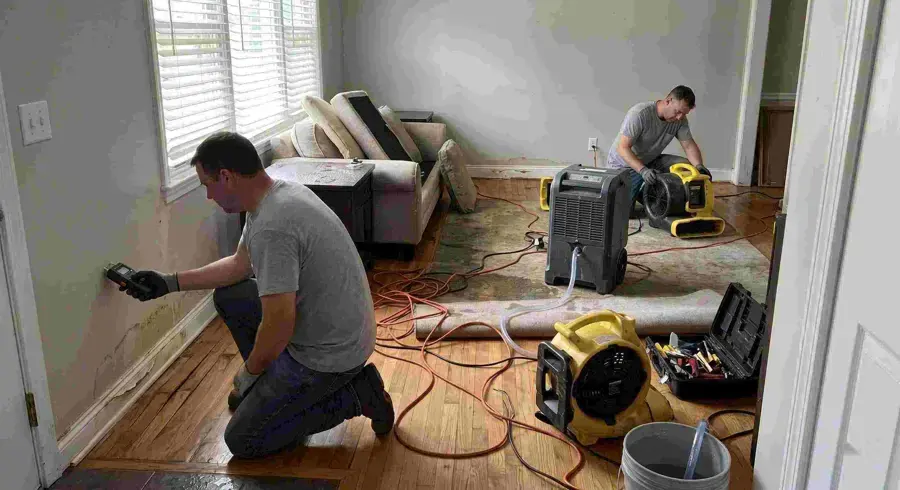
One call reaches Bellflower water damage pros, 24/7
Bellflower water damage pros work every street in the city, from Downtown Bellflower and the Artesia Boulevard corridor to the blocks by the 605. Before any equipment goes down, the tech who does the walkthrough checks which rooms are wet and where the water came from.
ZIP codes
Bellflower areas
Nearby cities covered
Water damage in Bellflower, CA: the local risk profile
Bellflower sits on the flat coastal plain of southeast Los Angeles County, between the Los Angeles River to the west and the San Gabriel River to the east. Most of it was built out from the late 1940s through the 1960s.
- Post-war slabs. Copper supply pipe under late-1940s to 1960s slabs pinholes into hidden slab leaks.
- Garden apartments and courts. One failed supply line or tub drain can wet the unit below or next door.
- Old sewer laterals. Clay and cast-iron pipe under mature street trees lets roots in, and backups rise at the lowest drain.
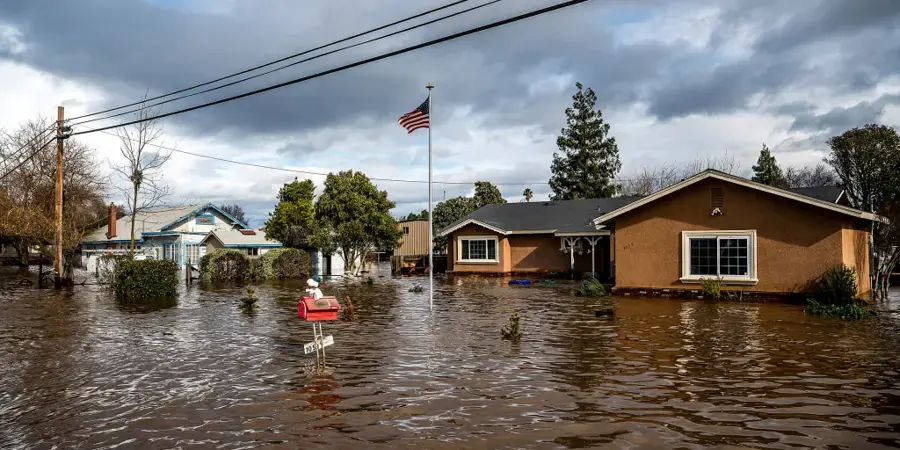
- Winter storms on flat ground. Pacific storms and atmospheric rivers from December to March fill storm drains and pond on low lots.
- Hard water. Minerals shorten the life of garage water heaters, valves and washer hoses.
Water damage questions in Bellflower, CA
Water in the house right now? Skip the reading and call (888) 563-9619.
Water just got in. What should happen in the first hour?
Close the main shutoff, switch off breakers for wet rooms if the panel is dry, photograph every wet room, lift rugs and belongings, then call. Water keeps spreading for as long as it sits.
How many days does drying usually take?
A contained Class 1 or 2 loss usually dries in three to five days; slabs, hardwood and plaster take longer. Equipment comes out when readings sit within 2 to 4 points of a dry reference.
What does IICRC S500 mean for a Bellflower dry-out?
IICRC S500 is the industry drying standard for water damage restoration. It sets the water categories, the classes of loss and what dry means, measured against dry material in the same building.
Will a California homeowners policy pay for water damage?
Sudden and accidental water, like a burst supply line, is commonly covered; storm flooding and sewer backup are often separate. Coverage depends on your policy, so it is worth checking with your own insurer.
Why do so many Bellflower homes get slab leaks?
Much of the city was built from the late 1940s to the 1960s on concrete slabs over copper supply pipe, and decades of pressure and hard water wear pinholes in it.
The leak came from the unit upstairs. What now?
Stop the water upstairs, tell the manager or owner and photograph both units. Different policies cover different parts, so a separate drying log for each unit helps everyone.
Is mitigation the same thing as repair?
No. Mitigation stops the damage with extraction, removal and structural drying. Repair puts the home back, and it starts only after readings confirm the structure is dry.
What makes a sewage backup different from a clean leak?
Sewage is Category 3 water the moment it happens. The area is contained, porous materials it touched are removed, and surfaces are treated with an EPA-registered antimicrobial before any drying starts.
Does wet drywall always have to be cut out?
No. Drywall wet with clean water can often be dried in place through the baseboard line. Drywall touched by sewage or storm water, or drywall that sagged, comes out.
Can wet carpet and pad be saved?
Carpet wet with clean water and extracted early can often be dried, while the pad usually comes out. Carpet touched by sewage or flood water is removed.
Water on the floor in Bellflower? Call now.
The extraction crew pulls the water, the drying team dries to the IICRC S500 goal, and every reading goes into your claim file.